الحشد الشعبي

Recent Products RSS Feeds

فريق الهكر العراقي KAMINDOZ

TOOLS & EXPLOIT KAMINDOZ

DOWNLOAD VIDEO
 

اخر التغريدات
مقاطع الفيديو
‏إظهار الرسائل ذات التسميات Pénétration Tester. إظهار كافة الرسائل

كيف تبدأء في مجال أمن المعلومات

الموقع يدعم الحشد الشعبي

Security concept: Lock on digital screen
#امن_المعلومات
في البدايه احب اوضح ان مجال امن المعلومات مجال واسع وهو يضم العديد من المهارات  وابضاً يتفرع منه عده مجالات فرعيه فأذا كنت من العاشقين لهذا المجال فستفيدك هذه المقالة بأذن الرحمن
هذا المجال الرائع يتطلب الكثير من الدراسه والجهد وكل شىء يعتمد على الأساسيات  فكما يقال (الأساسيات تصنع المعجزات ) فى مقالتنا هذه سنركز على الأساسيات الذى يستطيع أى شخص بدأ فعلياً فى امن المعلومات أن يشق بها طريقه بكل سهوله ويسر
الباحث الامنى يجب أن يكون مطلع على كل الجديد والمستحدث فى هذا المجال  من أخبار الأمن الالكترونى وأخر أخبار الثغرات ألخ  وهذا لن يتم إلا عن طريق تعلم اللغه الانجليزية
فأول العوامل هذه هو تعلم اللغه بشكل عام حتى يتمكن الباحث الأمني من متابعه اخر التطورات التى تطرأ على مجالنا هذا  فيمكننا الأن تعلم الانجليزية ببساطه عن طريق الانترنت  فالم يعد ذلك صعباً بعد الأن  وبعيداً عن الكثير من الحديث عن مزايا اللغه أنصحكم بكورس معهد Berlitz   فهو كورس قوى جداً بالبحث وتحميله والاستفادة منه فهو اكثر من رائع ويناسب جميع المجالات
أما بالنسبه لمحبين الشرح المباشر والمدرس أمامك مباشره فأنصحكم بالبحث عن كورس English4u عن طريق موقع  Youtube وبالنسبه للأساسيات اللغه فأنصحكم بهذا الموقع   http://ar.talkenglish.com  فهو يحتوى على كثير من الدروس المفيدة ويمكن ان تستمع لها صوتياً وبهذا نكون قد انتهينا من احد اهم النقاط في موضوعنا
ونأتى للنقطه الثانية فماذا بعد تعلم اللغه نأتى للعامل الثانى إلا وهو القاعده التقنية الكافية للدخول فى هذا المجال فمثلا الشخص الأمني بحق يجب أن يكون ملماً ببعض انظمه التشغيل أو الشائع منها وأيضاً الشبكات وبنائها لنرى معاً الصورة او الخريطة التى يجب أن يضعها الباحث الأمنى لنفسه
Nfg7c

 المرحله الاولى

وهى دراسه كورس مثل Mcitp  أو Mcsa  وذلك حتى يصل الدارس الى مستوى الـ Administrator وذلك فى بيئه العمل ويندوز فعلينا الانتقال من مجرد مستخدمين عاديين للنظام (users) إلى مستوى الـ Admin  للتحكم الكامل بالنظام ومعرفه خبايا وطرق الحمايه وأيضاً الاختراق لهدف معرفه طريقه المخترقين . ومن وجهه نظرى أرجح دراسه دوره الـ Mcitp  فهى شامله وقويه لعديد من المهارات وينبثق منها الكثير من المجالات  فأذا كنت مقبل على دراسه الدورة فأنصحك بدراسه Enterprise administrator فهو جزء شامل وستتعلم الكثير منه بأذن الله
وللراغب دراسه Mcsa  فهو حر والدورة مفيده أيضاً  أما الجزء الثاني من المرحله الآولى  هو دوره RHCE وهو مهندس انظمه الريد هات  الدورة مفيده جداً للوصول لمستوى Admin فى انظمه Linux فعلى على الباحث الأمنى فى البدايه ان يتقن ويندوز ولينكس  وكما قلت فى السابق يتقنها كا مستوى Admin  وليس User
وبهكذا نكون قد انتهينا من المرحله الأولى وتأتى المرحله الثانيه

المرحلة الثانية

المرحلة الثانية وهى دراسه الشبكات ومعرفتها جيداً  فكيف هو حال الباحث الامنى بدون معرفه الشبكات جيداً فهنا علينا أيضا دراسه Network + الخاصه بشركه Compita  فهى دوره رائعة وتغطى خلفيتك بشكل ممتاز عن الشبكات
اما بالنسبه لدوره CCna  فهى خاصه بسيسكو  فأذا اتممت هذه الشهاده ونجحت فى اختباراتها  فأنت بلا شك عالم بشئون الشبكات جيداً  ولكن هناك ينقصك سلاح الخبره  و الخبره عن طريق انغماسك بالعمل الحقيقى فى بيئات شركات حقيقيه  تعطيك الأفضلية بين الناس لأن مؤهل بشهاده الدوره و مؤهل أيضاً بخبرتك فعليك الاختيار الحر بين الشهاديتن كما تريد
ملحوظه : جميع الشهادات التى نتكلم عنها موجوده بالفعل بشكل مجانى عبر مواقع عده ويمكنك البحث عنها على Google او Youtube

المرحله الثالثه

هنا هى عباره عن بداية الدخول فى عالم أمن المعلومات  دوره Security+  هى احدى دورات شركه Comptia  وتعطيك الدوره المفاهيم للبدايه فى هذا المجال  فاذا سرت على هذا الدرب من البدايه  ستجد معلوماتك قد تطورت بشكل سريع وقوى  ويمكنك أن تفهم مبادىء وأساسيات الأمن المعلوماتى

المرحله الرابعه

فهى عباره عن دوره CEH  وهى خاصه بمفاهيم عمليات الاختراق واساليب المخترقين  حتى وأن كنت رأيت الدوره مجرد مفاهيم  ففائدتها مساعدتك فى تحديد أى مجال من مجال الحمايه  تريد دراسته فهى مهمه جداً فى تحديد مجالك  فعند دراسه هذه الدوره  حاول أن تجد اى مجال سيحذبك أكتر  هل على سبيل المثال WEB APPLICATION  من فحص وحمايه  فعليك هنا بالقراءه عن اى مقال تقع فى يدك عن  الثغرات فى تطبيقات المواقع  والكثير غير هذا المجال  وكما قلنا فان شهاده CEH  هى بوصلتك التى ستعرف بها ماذا ستدرس فى مجال أمن المعلومات تحديداً
نكون هنا قد انتهينا من موضوعنا  اسئل الله عز وجل أن يوفقنا الى ما يحبه ويرضاه
بعض روابط الدورات التى تضمنها فى موضوعنا

كتاب : Apache Cookbook

الموقع يدعم الحشد الشعبي

#كتاب : #Apache_Cookbook


Apache Cookbookمن المعروف ان #خادم_الويب #Apache يعتبر هو اكثر #الخوادم استخدام على متسوى العالم فعملية ادارة الخادم وأعداده وتأمينه بشكل جيد من#الأساسيات التي يجب ان تتوفر لمدير اي سيرفر ،والمليئه من المشاكل والأخطاء التي تواجه المبتدئين والمحترفين ، هناك الكثير من المقالات والمواد التعليمية متواجدة على شبكة الأنترنت عن خادم Apache ولكن هذا الكتاب يسهل عليك البحث وجمع كل ما تريد عن خادم Apache في مكان واحد كذلك الكتاب تم تأليفه من فريق مطوري Apache نفسة .
كتاب : Apache Cookbook: Solutions and Examples for Apache Administrators يحتوي الكتاب على مراجعه لأهم الاستخدامات البسيطه للخادم قبل الدخول للمراحل الاكثر تقدما ،، قدم الكتاب المعلومات على مستوى نظام التشغيل وندوز وكذلك ريدهات وشرح طرق تنصيب وأعداد السيرفر بشكل سليم ،
هذا الكتاب شرح جميع تلك المشاكل والعوائق التي تكون حاجز امام المتبدئين كذلك تلك التي تواجه الخبراء والمحترفين في ادارة السيرفرات التي تعمل بخادم الويب Apache ،
فصول الكتاب :
  • Installation
  • Adding Common Modules
  • Logging
  • Virtual Hosts
  • Aliases, Redirecting, and Rewriting
  • Security
  • SSL
  • Dynamic Content
  • Error Handling
  • Proxies
  • Performance
  • Directory Listings
  • Miscellaneous Topics

http://static.askapache.com/pdf/Apache_Cookbook_2e_QC1.pdf

كتاب : Social Engineering: The Art of Human Hacking

الموقع يدعم الحشد الشعبي


social engineering book#الهندسة-الاجتماعية أو ما يعرف بفن اختراق #العقول هي عبارة عن مجموعة من #التقنيات المستخدمة لجعل الناس يقومون بعمل ما أو يفضون بمعلومات #سرية. تـُستخدم الهندسة الاجتماعية أحياناً ضمن احتيال الإنترنت لتحقيق الغرض المنشود من الضحية، حيث أن الهدف الأساسي للهندسة الاجتماعية هو طرح أسئلة بسيطة أو تافهة (عن طريق الهاتف أو البريد الإلكتروني مع انتحال شخصية ذي سلطة أو ذات عمل يسمح له بطرح هكذا أسئلة دون إثارة الشبهات). تعرف اكثر عن الهندسة الاجتماعية  من هنا .
كتاب : Social Engineering: The Art of Human Hacking ، اول كتاب وافضلهم في تفصيل الهجمات الاجتماعية والتعريف بطرقها وأساليبها في للجانب الأمني ، من تحليل واستنباط وتلاعب بالبشر واستخراج معلوماتهم وسرقتها ، ناقش الكاتب هجمات اجتماعية حقيقة ، وكذلك أضاف خبرته الشخصية في المجال للكشف عن أسرار الهندسة الاجتماعية .
Kevin Mitnick من اشهر الشخصيات في الهندسة الاجتماعية يقول : من السهل كثيرا أن تجعل شخص يخبرك باسورد حسابه أو الأنظمة التي يملكها بواسطة تكتيكات الهندسة الاجتماعية ، توفير الجهد لاختراق النظام ، ويقول أيضا ان الهندسة الاجتماعية هو اقوى هجمات الاختراق على الإطلاق ويستطيع بواسطتها اختراق اي شبكة يريد أو شركة ببساطة ودون بذل أي جهد .
يبدأ الكتاب بالتعريف بــ مصطلح الهندسة الاجتماعية ثم يوضح علم التأثير لتنفيذ مهمة وفن استخراج المعلومات واستغلالها ، ثم يوضح اساليب الهندسة الاجتماعية ويوضح لك مدى قوة ما يمكن أن تقوم به بالهندسة الاجتماعية ، ثم ينتهي الكتاب بمناقشة الطرق والأساليب لتجنب الوقوع في هندسة اجتماعية والحماية منها .


ftp://91.193.236.10/pub/docs/linux-support/security/The Art of Human Hacking.pdf

Web #Penetration #Testing with #Kali #Linux #كتاب

الموقع يدعم الحشد الشعبي


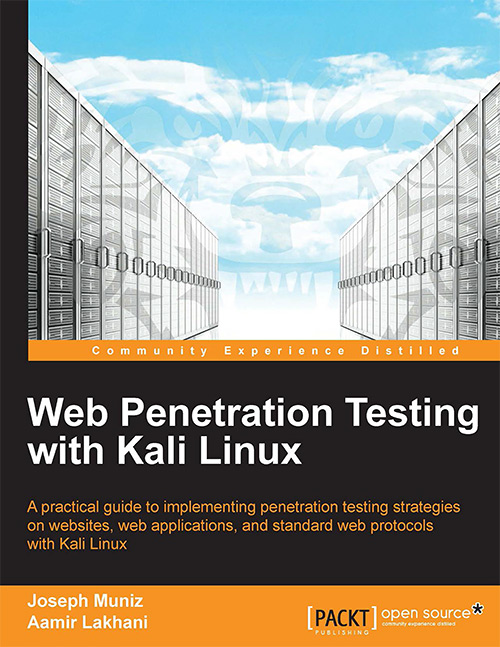
Web Penetration Testing with Kali Linux
 #كتاب
التوزيعة الأمنية  Kali Linux اخر أصدار لتوزيعة backtrak الشهيرة ، بعد أعادة بنائها من الصفر ، والتي تحتوي على الأدوات الأمنية والمفتوحة المصدر التي يستخدمها مختبري الاختراق وخبراء الحماية في اختبار الأنظمة والشبكات ، ونقاط الضعف الأمنية .
اختبار اختراق تطبيقات الويب ، كان هذا الجانب من اهم الجوانب الأمنية التي أخذت حقها في توزيعة كالي لينكس من توفير اهم وأقوى الأدوات المساعدة في اكتشاف واستغلال الثغرات  لتطبيقات الويب ، ابتداء من جمع المعلومات وانتهاء باستغلال الثغرة وترقيعها .
كتاب : “Web Penetration Testing with Kali Linux” يبحث في الجانب الأمني لتطبيقات الويب بمساعدة توزيعة كالي وما تحتويه من أدوات مساعدة ، من جانب المهاجم ، والبدء خطوة بخطوة  بدليل عملي في استخدام توزيعة كالي لأختبار واختراق تطبيقات الويب ، سوف تتعلم استخدام التوزيعة بشكل منهجي ومدروس لدراسة الهدف واختراقه بخطوات عملية ، البدء باستطلاع الهدف وجمع المعلومات عنه ، ثم اكتشاف الثغرات و تنفيذ الهجمات  من جانب الخادم (server-side attack) ثم الانتقال لتنفيذ الهجمات واختبار التطبيقات من ناحية العميل (Client-side attack)  بعد المرور باختبار التطبيق نفسة ، كذلك سوف تتعلم استخدام بعض الأدوات المساعدة في كتابة التقارير للعملية ، بعد الانتهاء من قراءة الكتاب ، سوف تكون لديك المهارة والمفاهيم لاستخدام كالي في اختبار واختراق تطبيقات الويب . وسوف تكون لديك المهارة في اختبار النقاط التالية :
  • Perform vulnerability reconnaissance to gather information on your targets
  • Expose server vulnerabilities and take advantage of them to gain privileged access
  • Exploit client-based systems using web application protocols
  • Learn how to use SQL and cross-site scripting (XSS) attacks
  • Steal authentications through session hijacking techniques
  • Harden systems so other attackers do not exploit them easily
  • Generate reports for penetration testers
  • Learn tips and trade secrets from real world penetration testers

#كتاب : سطر أوامر لينكس

الموقع يدعم الحشد الشعبي
cover

يعتبر سطر الأوامر في #لينكس من أهم مميزات هذا النظام الرائع  لأنه يسمح لك بتنفيذ أشياء معقدة بطرق بسيطة جدا لذا من #الطبيعي أن تجد نافذة سطر الأوامر دائمة مفتوحة عند مستخدمي لينكس ، فعلى الرغم من كون سطر الأوامر لغة برمجة تفسيرية إلا نه يمكن لغير الخبراء والمبرمجين استعماله بدون أي صعوبة وبسهولة جدا والتعامل مع كل خصائص النظام من سطر الاوامر . يمكنك ادارة النظام بالكامل دون فتح نافذة واحده وهنا تاتي المتعة الحقيقة للتعامل مع نظام لينكس , بالعكس هناك بعض المهام التي يصعب تنفيذها بواجهة رسومية يمكن تنفيذها بسرعة ومرونة بواسطة سطر الاوامر .

تم اصدار كتاب : سطر اوامر لينكس  المترجم من الكتاب The Linux Command Line اكثر الكتب مبيعاً التي تتحدث عن لينكس للمؤلف : Willam E. Shotts, Jr.‎ . الذي تمت ترجمته بالكامل إلى اللغة العربية بواسطة الأخ عبد اللطيف أيمش وبدعم من موقع وادي التقنية، الكتاب يعد المرجع العربي الأضخم حاليًا لسطر الأوامر في نظام لينكس ويتكون من 537 صفحة .
يبدأ الكتاب بشرح المفاهيم الأساسية في سطر الأوامر كالصدفة (Shell)، ومحاكيات الطرفية (Terminal Emulator)، وآلية التنقل في نظام الملفات، والقيام بالعمليات الأساسية على الملفات و المجلدات… ثم يتدرج إلى شرح التوسعات (Expansion)، وإعادة توجيه (Redirect) المدخلات والمخرجات، والأذونات (Permissions)، والعمليات (Processes)، والبيئة (Environment)، ومحرر vi.
ثم ينتقل إلى شرح المهام الأساسية في استخدام الحاسوب كإدارة البرمجيات، ومعالجة النصوص وتنسيقها، والطباعة، وبناء البرامج من المصدر.
ثم يتناول الباب الأخير برمجة الشِل (Shell Scripting) التي هي تقنيةٌ تُستخدم لأتمتة المهام؛ فيبدأ بشرح المفاهيم الأساسية في البرمجة، وطريقة إنشاء البرامج، ثم ينتقل إلى شرح بُنى التحكم والمعاملات الموضعية والمصفوفات. ثم ينتهي الكتاب بفصل يجمع ما بقي من الأمور المتفرقة. وكل ذلك موزعٌ على 36 فصلًا وما يزيد عن 500 صفحة.
رُخِّص هذا الكتاب برخصة المشاع الإبداعي (بنفس رخصة الكتاب الأصل) النسبة، غير تجاري، بلا اشتقاق الإصدار الثالث؛ لذا، يمكن تنزيل ونشر وتوزيع هذا الكتاب مجانًا دون قيود.

BOOK The Browser Hacker's Handbook

الموقع يدعم الحشد الشعبي

The #Browser #Hacker's #Handbook


ISBN: 978-1-118-66209-0
648 pages
April 2014
The Browser Hacker
Hackers exploit browser vulnerabilities to attack deep within networks The Browser Hacker's Handbook gives a #practical understanding of hacking the everyday web browser and using it as a beachhead to launch further attacks deep into corporate networks. Written by a team of highly experienced computer security experts, the handbook provides hands-on tutorials exploring a range of current attack methods.
The web browser has become the most popular and widely used computer "program" in the world. As the gateway to the Internet, it is part of the storefront to any business that operates online, but it is also one of the most vulnerable entry points of any system. With attacks on the rise, companies are increasingly employing browser-hardening techniques to protect the unique vulnerabilities inherent in all currently used browsers. The Browser Hacker's Handbook thoroughly covers complex security issues and explores relevant topics such as:
  • Bypassing the Same Origin Policy
  • ARP spoofing, social engineering, and phishing to access browsers
  • DNS tunneling, attacking web applications, and proxying—all from the browser
  • Exploiting the browser and its ecosystem (plugins and extensions)
  • Cross-origin attacks, including Inter-protocol Communication and Exploitation
The Browser Hacker's Handbook is written with a professional security engagement in mind. Leveraging browsers as pivot points into a target's network should form an integral component into any social engineering or red-team security assessment. This handbook provides a complete methodology to understand and structure your next browser penetration test.
See More
Introduction xv Chapter 1 Web Browser Security 1
A Principal Principle 2
Exploring the Browser 3
Symbiosis with the Web Application 4
Same Origin Policy 4
HTTP Headers 5
Markup Languages 5
Cascading Style Sheets 6
Scripting 6
Document Object Model 7
Rendering Engines 7
Geolocation 9
Web Storage 9
Cross-origin Resource Sharing 9
HTML5 10
Vulnerabilities 11
Evolutionary Pressures 12
HTTP Headers 13
Reflected XSS Filtering 15
Sandboxing 15
Anti-phishing and Anti-malware 16
Mixed Content 17
Core Security Problems 17
Attack Surface 17
Surrendering Control 20
TCP Protocol Control 20
Encrypted Communication 20
Same Origin Policy 21
Fallacies 21
Browser Hacking Methodology 22
Summary 28
Questions 28
Notes 29
Chapter 2 Initiating Control 31
Understanding Control Initiation 32
Control Initiation Techniques 32
Using Cross-site Scripting Attacks 32
Using Compromised Web Applications 46
Using Advertising Networks 46
Using Social Engineering Attacks 47
Using Man-in-the-Middle Attacks 59
Summary 72
Questions 73
Notes 73
Chapter 3 Retaining Control 77
Understanding Control Retention 78
Exploring Communication Techniques 79
Using XMLHttpRequest Polling 80
Using Cross-origin Resource Sharing 83
Using WebSocket Communication 84
Using Messaging Communication 86
Using DNS Tunnel Communication 89
Exploring Persistence Techniques 96
Using IFrames 96
Using Browser Events 98
Using Pop-Under Windows 101
Using Man-in-the-Browser Attacks 104
Evading Detection 110
Evasion using Encoding 111
Evasion using Obfuscation 116
Summary 125
Questions 126
Notes 127
Chapter 4 Bypassing the Same Origin Policy 129
Understanding the Same Origin Policy 130
Understanding the SOP with the DOM 130
Understanding the SOP with CORS 131
Understanding the SOP with Plugins 132
Understanding the SOP with UI Redressing 133
Understanding the SOP with Browser History 133
Exploring SOP Bypasses 134
Bypassing SOP in Java 134
Bypassing SOP in Adobe Reader 140
Bypassing SOP in Adobe Flash 141
Bypassing SOP in Silverlight 142
Bypassing SOP in Internet Explorer 142
Bypassing SOP in Safari 143
Bypassing SOP in Firefox 144
Bypassing SOP in Opera 145
Bypassing SOP in Cloud Storage 149
Bypassing SOP in CORS 150
Exploiting SOP Bypasses 151
Proxying Requests 151
Exploiting UI Redressing Attacks 153
Exploiting Browser History 170
Summary 178
Questions 179
Notes 179
Chapter 5 Attacking Users 183
Defacing Content 183
Capturing User Input 187
Using Focus Events 188
Using Keyboard Events 190
Using Mouse and Pointer Events 192
Using Form Events 195
Using IFrame Key Logging 196
Social Engineering 197
Using TabNabbing 198
Using the Fullscreen 199
Abusing UI Expectations 204
Using Signed Java Applets 223
Privacy Attacks 228
Non-cookie Session Tracking 230
Bypassing Anonymization 231
Attacking Password Managers 234
Controlling the Webcam and Microphone 236
Summary 242
Questions 243
Notes 243
Chapter 6 Attacking Browsers 247
Fingerprinting Browsers 248
Fingerprinting using HTTP Headers 249
Fingerprinting using DOM Properties 253
Fingerprinting using Software Bugs 258
Fingerprinting using Quirks 259
Bypassing Cookie Protections 260
Understanding the Structure 261
Understanding Attributes 263
Bypassing Path Attribute Restrictions 265
Overflowing the Cookie Jar 268
Using Cookies for Tracking 270
Sidejacking Attacks 271
Bypassing HTTPS 272
Downgrading HTTPS to HTTP 272
Attacking Certificates 276
Attacking the SSL/TLS Layer 277
Abusing Schemes 278
Abusing iOS 279
Abusing the Samsung Galaxy 281
Attacking JavaScript 283
Attacking Encryption in JavaScript 283
JavaScript and Heap Exploitation 286
Getting Shells using Metasploit 293
Getting Started with Metasploit 294
Choosing the Exploit 295
Executing a Single Exploit 296
Using Browser Autopwn 300
Using BeEF with Metasploit 302
Summary 305
Questions 305
Notes 306
Chapter 7 Attacking Extensions 311
Understanding Extension Anatomy 312
How Extensions Differ from Plugins 312
How Extensions Differ from Add-ons 313
Exploring Privileges 313
Understanding Firefox Extensions 314
Understanding Chrome Extensions 321
Discussing Internet Explorer Extensions 330
Fingerprinting Extensions 331
Fingerprinting using HTTP Headers 331
Fingerprinting using the DOM 332
Fingerprinting using the Manifest 335
Attacking Extensions 336
Impersonating Extensions 336
Cross-context Scripting 339
Achieving OS Command Execution 355
Achieving OS Command Injection 359
Summary 364
Questions 365
Notes 365
Chapter 8 Attacking Plugins 371
Understanding Plugin Anatomy 372
How Plugins Differ from Extensions 372
How Plugins Differ from Standard Programs 374
Calling Plugins 374
How Plugins are Blocked 376
Fingerprinting Plugins 377
Detecting Plugins 377
Automatic Plugin Detection 379
Detecting Plugins in BeEF 380
Attacking Plugins 382
Bypassing Click to Play 382
Attacking Java 388
Attacking Flash 400
Attacking ActiveX Controls 403
Attacking PDF Readers 408
Attacking Media Plugins 410
Summary 415
Questions 416
Notes 416
Chapter 9 Attacking Web Applications 421
Sending Cross-origin Requests 422
Enumerating Cross-origin Quirks 422
Preflight Requests 425
Implications 425
Cross-origin Web Application Detection 426
Discovering Intranet Device IP Addresses 426
Enumerating Internal Domain Names 427
Cross-origin Web Application Fingerprinting 429
Requesting Known Resources 430
Cross-origin Authentication Detection 436
Exploiting Cross-site Request Forgery 440
Understanding Cross-site Request Forgery 440
Attacking Password Reset with XSRF 443
Using CSRF Tokens for Protection 444
Cross-origin Resource Detection 445
Cross-origin Web Application Vulnerability Detection 450
SQL Injection Vulnerabilities 450
Detecting Cross-site Scripting Vulnerabilities 465
Proxying through the Browser 469
Browsing through a Browser 472
Burp through a Browser 477
Sqlmap through a Browser 480
Browser through Flash 482
Launching Denial-of-Service Attacks 487
Web Application Pinch Points 487
DDoS Using Multiple Hooked Browsers 489
Launching Web Application Exploits 493
Cross-origin DNS Hijack 493
Cross-origin JBoss JMX Remote Command Execution 495
Cross-origin GlassFish Remote Command Execution 497
Cross-origin m0n0wall Remote Command Execution 501
Cross-origin Embedded Device Command Execution 502
Summary 508
Questions 508
Notes 509
Chapter 10 Attacking Networks 513
Identifying Targets 514
Identifying the Hooked Browser’s Internal IP 514
Identifying the Hooked Browser’s Subnet 520
Ping Sweeping 523
Ping Sweeping using XMLHttpRequest 523
Ping Sweeping using Java 528
Port Scanning 531
Bypassing Port Banning 532
Port Scanning using the IMG Tag 537
Distributed Port Scanning 539
Fingerprinting Non-HTTP Services 542
Attacking Non-HTTP Services 545
NAT Pinning 545
Achieving Inter-protocol Communication 549
Achieving Inter-protocol Exploitation 564
Getting Shells using BeEF Bind 579
The BeEF Bind Shellcode 579
Using BeEF Bind in your Exploits 585
Using BeEF Bind as a Web Shell 596
Summary 599
Questions 600
Notes 601
Chapter 11 Epilogue: Final Thoughts 605
Index 609
See More
WADE ALCORN is the creator of the BeEF open source browser exploitation framework, among toolswatch.org’s top 10 security tools.
CHRISTIAN FRICHOT is a lead developer of BeEF, as well as a leader of the Perth Open Web Application Security Project.
MICHELE ORRÙ is the lead core developer of BeEF, as well as a vulnerability researcher and social engineer.
Download TitleSizeDownload
Read Me Text 1.46 KB Click to Download
Chapter 1 417 bytes Click to Download
Chapter 2 8.83 KB Click to Download
Chapter 3 15.94 KB Click to Download
Chapter 4 33.11 KB Click to Download
Chapter 5 1.26 MB Click to Download
Chapter 6 388.14 KB Click to Download
Chapter 7 5.69 KB Click to Download
Chapter 8 51.92 KB Click to Download
Chapter 9 29.65 KB Click to Download
Chapter 10 80.54 KB Click to Download

موقع جميل لأرسال الرسائل القصيره للموبايل

الموقع يدعم الحشد الشعبي
#sms #kamindoz #العراق #هكر


موقع جميل لأرسال الرسائل القصيره للموبايل تكدر تستهدف الوهابيه من خلاله

http://www.afreesms.com/intl/iraq


Google 1500 Dorks For SQL Injection

الموقع يدعم الحشد الشعبي


 دوركات بحث عن الثغرات جديدة 1500

http://1337mir.com/hacking/2013/10/google-dorks-sql-injection/

Botnets

الموقع يدعم الحشد الشعبي

  #android #tools hacking  http://www.r00tnetwork.org
A #botnet or robot network is a group of computers running a computer application controlled and manipulated only by the owner or the software source. The botnet may refer to a legitimate network of several computers that share program processing amongst them.

Usually though, when people talk about botnets, they are talking about a group of computers infected with the malicious kind of robot software, the bots, which present a security threat to the computer owner. Once the robot software (also known as malicious software or malware) has been successfully installed in a computer, this computer becomes a zombie or a drone, unable to resist the commands of the bot commander.

A botnet may be small or large depending on the complexity and sophistication of the bots used. A large botnet may be composed of ten thousand individual zombies. A small botnet, on the other hand may be composed of only a thousand drones. Usually, the owners of the zombie computers do not know that their computers and their computers’ resources are being remotely controlled and exploited by an individual or a group of malware runners through Internet Relay Chat (IRC)

There are various types of malicious bots that have already infected and are continuing to infect the internet. Some bots have their own spreaders – the script that lets them infect other computers (this is the reason why some people dub botnets as computer viruses) – while some smaller types of bots do not have such capabilities.

Different Types of Bots

Here is a list of the most used bots in the internet today, their features and command set.

XtremBot, Agobot, Forbot, Phatbot

These are currently the best known bots with more than 500 versions in the internet today. The bot is written using C++ with cross platform capabilities as a compiler and GPL as the source code. These bots can range from the fairly simple to highly abstract module-based designs. Because of its modular approach, adding commands or scanners to increase its efficiency in taking advantage of vulnerabilities is fairly easy. It can use libpcap packet sniffing library, NTFS ADS and PCRE. Agobot is quite distinct in that it is the only bot that makes use of other control protocols besides IRC.

UrXBot, SDBot, UrBot and RBot

Like the previous type of bot, these bots are published under GPL, but unlike the above mentioned bots these bots are less abstract in design and written in rudimentary C compiler language. Although its implementation is less varied and its design less sohisticated, these type of bots are well known and widely used in the internet.

GT-Bots and mIRC based bots
These bots have many versions in the internet mainly because mIRC is one of the most used IRC client for windows. GT stands for global threat and is the common name for bots scripted using mIRC. GT-bots make use of the mIRC chat client to launch a set of binaries (mainly DLLs) and scripts; their scripts often have the file extensions .mrc.
Malicious Uses of Botnets

Types Of Botnet Attack

Denial of Service Attacks
A botnet can be used as a distributed denial of service weapon. A botnet attacks a network or a computer system for the purpose of disrupting service through the loss of connectivity or consumption of the victim network’s bandwidth and overloading of the resources of the victim’s computer system. Botnet attacks are also used to damage or take down a competitor’s website.

Fast flux is a DNS technique used by botnets to hide phishing and malware delivery sites behind an ever-changing network of compromised hosts acting as proxies.
Any Internet service can be a target by botnets. This can be done through flooding the website with recursive HTTP or bulletin-board search queries. This mode of attack in which higher level protocols are utilized to increase the effects of an attack is also termed as spidering.

Spyware
Its a software which sends information to its creators about a user's activities – typically passwords, credit card numbers and other information that can be sold on the black market. Compromised machines that are located within a corporate network can be worth more to the bot herder, as they can often gain access to confidential information held within that company. There have been several targeted attacks on large corporations with the aim of stealing sensitive information, one such example is the Aurora botnet.

Adware
Its exists to advertise some commercial entity actively and without the user's permission or awareness, for example by replacing banner ads on web pages with those of another content provider.

Spamming and Traffic Monitoring

A botnet can also be used to take advantage of an infected computer’s TCP/IP’s SOCKS proxy protocol for networking appications. After compromising a computer, the botnet commander can use the infected unit (a zombie) in conjunction with other zombies in his botnet (robot network) to harvest email addresses or to send massive amounts of spam or phishing mails.

Moreover, a bot can also function as a packet sniffer to find and intercept sensitive data passing through an infected machine. Typical data that these bots look out for are usernames and passwords which the botnet commander can use for his personal gain. Data about a competitor botnet installed in the same unit is also mined so the botnet commander can hijack this other botnet.

Access number replacements are where the botnet operator replaces the access numbers of a group of dial-up bots to that of a victim's phone number. Given enough bots partake in this attack, the victim is consistently bombarded with phone calls attempting to connect to the internet. Having very little to defend against this attack, most are forced into changing their phone numbers (land line, cell phone, etc.).

Keylogging and Mass Identity Theft
An encryption software within the victims’ units can deter most bots from harvesting any real information. Unfortunately, some bots have adapted to this by installing a keylogger program in the infected machines. With a keylogger program, the bot owner can use a filtering program to gather only the key sequence typed before or after interesting keywords like PayPal or Yahoo mail. This is one of the reasons behind the massive PayPal accounts theft for the past several years.

Bots can also be used as agents for mass identity theft. It does this through phishing or pretending to be a legitimate company in order to convince the user to submit personal information and passwords. A link in these phishing mails can also lead to fake PayPal, eBay or other websites to trick the user into typing in the username and password.

Botnet Spread
Botnets can also be used to spread other botnets in the network. It does this by convincing the user to download after which the program is executed through FTP, HTTP or email.

Pay-Per-Click Systems Abuse
Botnets can be used for financial gain by automating clicks on a pay-per-click system. Compromised units can be used to click automatically on a site upon activation of a browser. For this reason, botnets are also used to earn money from Google’s Adsense and other affiliate programs by using zombies to artificially increase the click counter of an advertisement.

[Intercepter-ng] Sniffer de Red con SSLstrip para Android

الموقع يدعم الحشد الشعبي
 #android #tools hacking  http://www.r00tnetwork.org

Intercepter-NG es una aplicación que nos permitirá capturas el tráfico de datos en la red local a la que estemos conectados. Esta herramienta tiene la funcionalidad de analizador de protocolos al más puro estilo Wireshark aunque con muchísimas menos opciones. Con Intercepter-ng podremos ver cookies de las diferentes conexiones que se realicen así como realizar ataques contra SSL con SSLStrip.

En RedesZone tenéis un completo manual de utilización de SSLstrip y cómo funciona exactamente para “descifrar” el tráfico SSL. La aplicación tiene varias pestañas para elegir el objetivo, iniciar el analizador de paquetes y ver todo el tráfico en detalle y también las cookies de las páginas web que la víctima ha visitado.
Lo primero que debemos hacer con esta aplicación es pulsar en el radar para escanear los posibles objetivos, una vez seleccionado el objetivo nos movemos por las pestañas para ir viendo las diferentes opciones que nos brinda esta aplicación.
Alguna de las utilidades es que nos permite recuperar la contraseña y los archivos que se transmitan en la red que estamos analizando.
Los requisitos que necesita esta aplicación son los siguientes:
  • Android 2.3.3 o superior
  • Ser root
  • Tener instalado Busybox

aNmap - Android Network Mapper (Nmap# for Android)

الموقع يدعم الحشد الشعبي
  #android #tools hacking  http://www.r00tnetwork.org
Nmap is one of the most improtant tools for every cracker (white, grey black hat "hacker"). Nmap is a legendary hack tool and probably the prevelent networt security port scanner tool over the last 10 years on all major Operating Systems. So far it was available in windows, linux and Mac OS X. But now its available at android platform too. It is compiled from real Nmap source code by some developers to provide the support for android devices.

كيف تصبح هاكر أخلاقي أو White Hat !!!?

الموقع يدعم الحشد الشعبي


أولا : لابد منك البداية بتعلم لغات البرمجة منC وJava وphp وc# إلى غير ذلك من اللغات البرمجية ، لكن بالنسبة للهاكر لابد منه إتقان على الاقل 3 لغات برمجية منها الپايثون والپيرل والروبي Pyhton , Perl , Ruby ؟لك لماذا بالظبط هاته اللغات ؟

لأن أغلبية الثغرات والسكريپتات المبرمجة تكون بلغة الپايثون والپيرل حيث ستجد معظم الأدوات المثبتة على نظام لينكس مبنية على هاته اللغات 

كذالك قم بتعلم لغة Javascript لكي يسهم عليك إكتشاف تغرات من نوع XSS Cross Site Scripting وكذا إدارة قواعد البيانات من Mysql وOracle لتستطيع التعامل مع تغرات Sql injection التي تفتك بقواعد البيانات التابعة للمواقع

ثانيا : إبدأ بتعلم إدارة الشبكات المعلوماتية وقم كذالك بتعلم ادارة السرڤرات من لينكس وويندوز لانها دائما على علاقة مع ادارة الشبكات الالكترونية حيث يمكنك دراسة شهادة CCNA لتتعلم اكثر ولتتعرف اكثر على الشهادات قم بزيارة الرابط 4 شهادات تخول لك دخول ميدان الأمن المعلوماتي من أوسع أبوابه

ثالثا : قم بتعلم الأنظمة المعلوماتية مثل لينكس OS كدراسة شهادة Linux plus و وإتقان الاوامر التي من خلالها ستتعامل مع هذا النظام وكذالك قم بتحليل ملفات نظام ويندوز والتعرف على كل ملف على حدى File System

فمن خلال تجربتي الشخصية في عالم الأمن المعلوماتي أنصح كل من يرغب في ولوج هذا الميدان بالتركيز على لغات البرمجة بنسبة كبيرة وكذا برمجة الثغرات الامنية حيث من خلالها ستتعرف على الاكواد التي بها أخطاء برمجية ومن هنا تستطيع إستغلالها وأنت على دراية تامة بهذا الشأن، هذا وبطبيعة الحال ملخص لأغلبية الامور التي يجب عليك تعلمها ونحن نعلم أن هناك الكثير من التقنيات الأخرى لكن لابد من إتقان الأمور الاساسية ثم يليها الثانوية مباشرة وبسهولة تامة 

ملاحظة : أما إذا كنت من الهاكرز الغير أخلاقيين ، وأنت تقوم بقراءة هاته الاسطر، فلربما أنت تعلم كيف تستطيع أن تبدل تلك القبعة السوداء بأخرى بيضاء ، حيث من خلال هذا التغيير سترسم طريقا جديدا في مسارك المعلوماتي ولم لا العمل مع شركات كبرى كخبير أمني أو مكتشف ثغرات أمنية ، فكم من هاكر غير أخلاقي تحول إلى شخص به المثل أخلاقيا ومعلوماتي

 
::جميع المشاركات المكتوبة تعبّر عن وجهة نظر كاتبها ... ولا تعبّر عن وجهة نظر إدارة الموقع::

C0DED BY IRAQ Electronic Army 2015-2016

iraq , syria , iran ,Afghanistan,Albania , Algeria , Andorra , Angola , Antigua , and , Barbuda , Argentina , Armenia , Aruba , Australia , Austria , Azerbaijan

Bahamas, , The , Bahrain , Bangladesh , Barbados , Belarus , Belgium , Belize , Benin , Bhutan , Bolivia , Bosnia , and , Herzegovina , Botswana , Brazil ,Brunei , Bulgaria , Burkina , Faso , Burma , BurundiCambodia , Cameroon , Canada , Cape , Verde , Central , African , Republic , Chad , Chile , China , Colombia , Comoros , Congo, , Democratic , Republic , of , the , Congo, , Republic , of , the , Costa , Rica , Cote , d'Ivoire , Croatia , Cuba , Curacao ,,,Cyprus , Czech , Republic.Denmark , Djibouti , Dominica , Dominican Republic

Ecuador , Egypt , El , Salvador , Equatorial , Guinea , Eritrea , Estonia , Ethiopia , Fiji Finland France , Gabon , Gambia, , The , Georgia , Germany , Ghana , Greece , Grenada , Guatemala , Guinea , Guinea-Bissau , Guyana , Haiti , Holy , See , Honduras , Hong , Kong , Hungary ,

Iceland,India, Indonesia Ireland Italy